Trezor.io/start – Official Guide to Setting Up and Using a Trezor Hardware Wallet
Trezor.io/start is the official setup gateway for users who want to securely initialize their Trezor hardware wallet. Developed by SatoshiLabs, this page ensures that every Trezor device is configured safely, using verified software and trusted instructions. Whether you are a beginner entering the crypto space or an experienced investor securing long-term holdings, Trezor.io/start provides a clear and secure onboarding experience.
This guide explains the purpose of Trezor.io/start, how to use it correctly, and how to maintain maximum security while managing your digital assets.
Understanding the Purpose of Trezor.io/start
Trezor.io/start exists to protect users from counterfeit software, malicious downloads, and phishing attacks. Instead of searching randomly for setup guides or applications, users are directed to one verified location that detects their device model and operating system automatically.
By using Trezor.io/start, you ensure:
Authentic firmware installation
Secure wallet creation
Protection against fake wallet apps
Correct recovery seed generation
This single page acts as the foundation for safe crypto ownership with Trezor.
What Makes Trezor a Secure Wallet Solution?
Unlike online wallets or mobile apps, Trezor is a hardware wallet that stores private keys offline. This design prevents hackers, malware, and unauthorized software from accessing your funds.
Core security advantages include:
Offline private key storage
On-device transaction confirmation
Open-source transparency
Physical user verification
Recovery seed–based backup system
Trezor.io/start ensures these features are enabled correctly during initial setup.
Supported Trezor Devices
The Trezor.io/start page supports all official Trezor hardware wallets, including:
Trezor Model One
Trezor Model T
Each device has slightly different setup steps, but the platform adjusts instructions automatically to match your device.
Step 1: Inspecting Your Trezor Device Before Setup
Before connecting your device to a computer, carefully inspect the packaging and device.
Important checks:
Packaging must be sealed
USB port seal should be intact
No visible damage or tampering
If anything appears suspicious, do not continue with setup. A compromised device can never be made secure.
Step 2: Accessing the Official Setup Page
Open your web browser and manually type trezor.io/start. Avoid links from emails, ads, or social media.
Using the official site ensures:
Verified downloads
Up-to-date security instructions
Safe onboarding process
Bookmark the page for future reference.
Step 3: Installing Trezor Suite
Trezor Suite is the official application used to interact with your Trezor wallet. It provides a secure environment for managing cryptocurrencies.
Key features of Trezor Suite:
Portfolio tracking
Secure sending and receiving
Multiple account management
Privacy-focused tools
Built-in exchange options (availability varies)
Download the desktop version recommended by Trezor.io/start for your operating system.
Step 4: Connecting Your Trezor Wallet
Once Trezor Suite is installed, connect your device using the provided USB cable. The application will automatically recognize your wallet.
For new devices:
Firmware will not be installed
You must install firmware during setup
Firmware installation confirms device authenticity
Follow the instructions carefully and confirm actions on the hardware wallet screen.
Step 5: Choosing Wallet Creation or Recovery
Trezor.io/start gives you two options:
Create a New Wallet
This option generates a new set of private keys and a unique recovery seed.
Recover an Existing Wallet
This option restores access using an existing recovery seed.
Choose carefully. Recovery seeds are universal keys—anyone with access to them controls the funds.
Step 6: Generating and Securing the Recovery Seed
The recovery seed is displayed directly on your Trezor device. It may consist of 12, 18, or 24 words.
Essential rules:
Write the words down on paper
Keep them offline
Never store digitally
Never share with anyone
Your recovery seed is your wallet’s master key. Losing it means losing access forever.
Step 7: Verifying the Recovery Backup
After writing down the recovery seed, Trezor Suite will prompt you to verify it. You must confirm selected words in the correct order.
This step ensures your backup is accurate and usable if recovery is ever needed.
Step 8: Setting Up a PIN Code
A PIN code prevents unauthorized access to your device.
PIN protection features:
Randomized keypad layout
Increasing delay after failed attempts
Device wipe after too many incorrect entries
Choose a strong PIN that cannot be easily guessed.
Step 9: Adding a Passphrase for Advanced Security
A passphrase adds an extra layer of protection beyond the recovery seed.
Advantages of passphrase usage:
Creates hidden wallets
Protects funds even if seed is exposed
Ideal for high-value storage
Important warning: A forgotten passphrase cannot be recovered.
Step 10: Exploring Trezor Suite Dashboard
Once setup is complete, you gain access to the Trezor Suite dashboard.
From here, you can:
Add cryptocurrency accounts
View balances
Generate receiving addresses
Send funds securely
Monitor transaction history
All sensitive actions must be confirmed on the physical device.
Cryptocurrencies Supported by Trezor
Trezor supports a wide range of digital assets, including:
Bitcoin
Ethereum
Litecoin
Cardano
Solana (via third-party wallets)
ERC-20 and other tokens
Support varies by model and firmware version.
Sending and Receiving Crypto Safely
When receiving crypto:
Always verify the address on the Trezor screen
Never copy addresses blindly
When sending crypto:
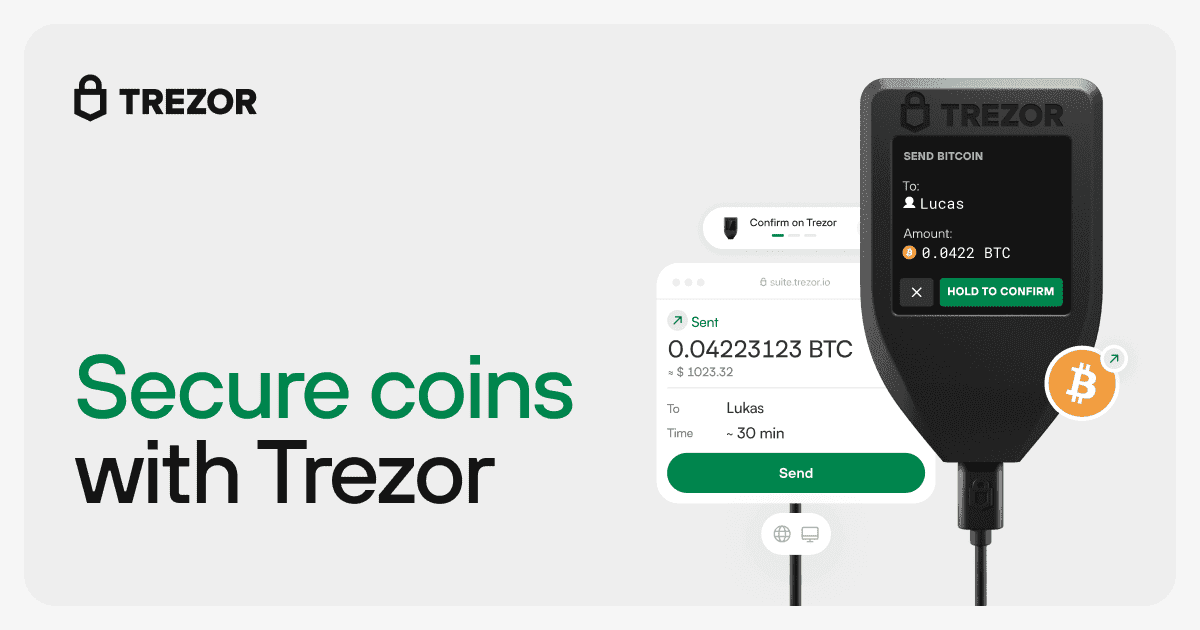
Confirm transaction details on device
Double-check recipient address
Review network fees
Hardware confirmation prevents malware-based attacks.
Firmware Updates and Maintenance
Keeping firmware updated is essential for security and compatibility.
Firmware updates:
Patch vulnerabilities
Improve performance
Add asset support
Updates can be installed through Trezor Suite. Never disconnect the device during an update.
What Happens If You Lose Your Trezor?
If your device is lost or destroyed:
Buy a new Trezor wallet
Visit Trezor.io/start
Select “Recover wallet”
Enter your recovery seed
Funds remain safe as long as the recovery seed is secure.
Common Setup Problems and Fixes
Device not detected
Change USB cable
Try another computer
Update operating system
Firmware installation error
Restart Trezor Suite
Reconnect device
Retry update
PIN forgotten
Reset device
Restore wallet using recovery seed
Protecting Yourself From Scams
Crypto scams often target hardware wallet users.
Stay safe by:
Using only trezor.io websites
Ignoring emails asking for recovery seeds
Avoiding fake “support” messages
Never entering seed phrases online
Trezor support will never ask for sensitive information.
Who Should Use Trezor Wallets?
Trezor is ideal for:
Long-term crypto holders
Security-focused users
Investors managing large balances
Users seeking full control of assets
Trezor.io/start simplifies secure self-custody for everyone.
Final Overview of Trezor.io/start
Trezor.io/start is the safest entry point into hardware wallet ownership. It ensures that your device is genuine, your wallet is created securely, and your funds remain under your control.
By following the official setup process and maintaining proper security practices, you eliminate most common crypto risks. Trezor combines simplicity with strong security, making it one of the most trusted solutions for protecting digital wealth.