Trezor.io/start – Complete Setup and Security Guide for Trezor Hardware Wallet
Trezor.io/start is the official onboarding page for setting up a Trezor hardware wallet. It guides users through the secure initialization of their device, installation of Trezor Suite, firmware updates, wallet creation, and best practices for protecting digital assets. Trezor hardware wallets are widely trusted for storing cryptocurrencies offline, providing users with full control over private keys while minimizing exposure to online threats.
This guide explains everything you need to know about using Trezor.io/start, from unboxing your device to safely managing crypto assets long term.
What Is Trezor.io/start?
Trezor.io/start is the official starting point created by SatoshiLabs for all new Trezor users. Whether you are using Trezor Model One or Trezor Model T, this page ensures that your device is set up correctly and securely.
By directing users to Trezor.io/start, the company helps protect against phishing websites and fake software downloads. The page automatically detects your device type and operating system and provides the correct instructions and software links.
Why Choose a Trezor Hardware Wallet?
Cryptocurrency ownership comes with responsibility. Unlike traditional banks, there is no central authority to recover lost or stolen funds. Trezor wallets are designed to solve this problem by keeping your private keys offline.
Key advantages include:
Offline storage of private keys
Protection against malware and keyloggers
Open-source firmware and software
Support for thousands of cryptocurrencies
Secure PIN and passphrase protection
Backup and recovery using a recovery seed
Using Trezor.io/start ensures you activate these protections correctly from day one.
Devices Supported on Trezor.io/start
Trezor.io/start supports all official Trezor hardware wallets, including:
Trezor Model One – Compact, beginner-friendly device
Trezor Model T – Touchscreen device with advanced features
The setup steps vary slightly between models, but the start page provides tailored instructions for each device.
Step 1: Unboxing and Checking Device Authenticity
Before connecting your Trezor device, it is essential to inspect the packaging.
Things to check:
The box should be sealed
The USB port should have a holographic seal
No signs of tampering or damage
If the seal is broken or suspicious, do not use the device. Contact Trezor support immediately. Security begins even before visiting Trezor.io/start.
Step 2: Visit the Official Website – Trezor.io/start
Open a secure browser and manually type trezor.io/start into the address bar. Avoid clicking links from emails or ads.
This page ensures:
You download authentic Trezor software
You receive up-to-date firmware
You avoid phishing or fake wallet apps
Bookmark the page for future use.
Step 3: Download and Install Trezor Suite
Trezor Suite is the official desktop and web application used to manage your wallet.
Features of Trezor Suite:
Send and receive cryptocurrencies
View portfolio balances
Manage multiple accounts
Exchange crypto (region-dependent)
Enhanced privacy tools
Firmware update notifications
Trezor.io/start automatically provides the correct version for:
Windows
macOS
Linux
After installation, open Trezor Suite and connect your device via USB.
Step 4: Connect Your Trezor Device
Once connected, Trezor Suite will detect your hardware wallet. If this is your first time using the device, you will be prompted to install firmware.
Important:
Firmware is never pre-installed on a new Trezor device
Installing firmware ensures authenticity
Never install firmware from unofficial sources
Follow on-screen instructions carefully and confirm actions directly on the device.
Step 5: Create a New Wallet or Recover an Existing One
At Trezor.io/start, you can choose between two options:
Create a New Wallet
This option generates a new private key and recovery seed.
Recover an Existing Wallet
Use this option if you already have a recovery seed from another Trezor or compatible wallet.
Choose the option that matches your situation. Never mix up recovery seeds between devices unless you are intentionally restoring a wallet.
Step 6: Write Down Your Recovery Seed
The recovery seed is the most important part of your wallet. It is a series of 12, 18, or 24 words displayed on your Trezor device screen.
Critical rules:
Write the words down in the exact order
Never take photos or screenshots
Never store digitally or online
Never share with anyone
Your recovery seed is the only way to restore funds if your device is lost, damaged, or stolen. Trezor will never ask for it.
Step 7: Confirm Recovery Seed Backup
Trezor Suite will ask you to confirm the recovery seed by selecting words in the correct order. This ensures you wrote them down correctly.
Take your time during this step. A mistake could mean permanent loss of funds in the future.
Step 8: Set a Secure PIN
The PIN protects your device from unauthorized physical access.
PIN security tips:
Use a random, non-guessable PIN
Avoid simple patterns
Memorize it instead of writing it down
After multiple incorrect PIN attempts, the device enforces delays, making brute-force attacks extremely difficult.
Step 9: Enable Passphrase (Optional but Recommended)
A passphrase adds an extra word to your recovery seed, creating a hidden wallet.
Benefits of passphrase:
Protection even if recovery seed is compromised
Ability to create hidden wallets
Advanced security for large holdings
Important note: If you forget your passphrase, funds in that wallet are permanently inaccessible.
Step 10: Access Your Wallet Dashboard
Once setup is complete, Trezor Suite opens your dashboard where you can:
Add cryptocurrency accounts
Receive crypto addresses
Send funds securely
Track portfolio value
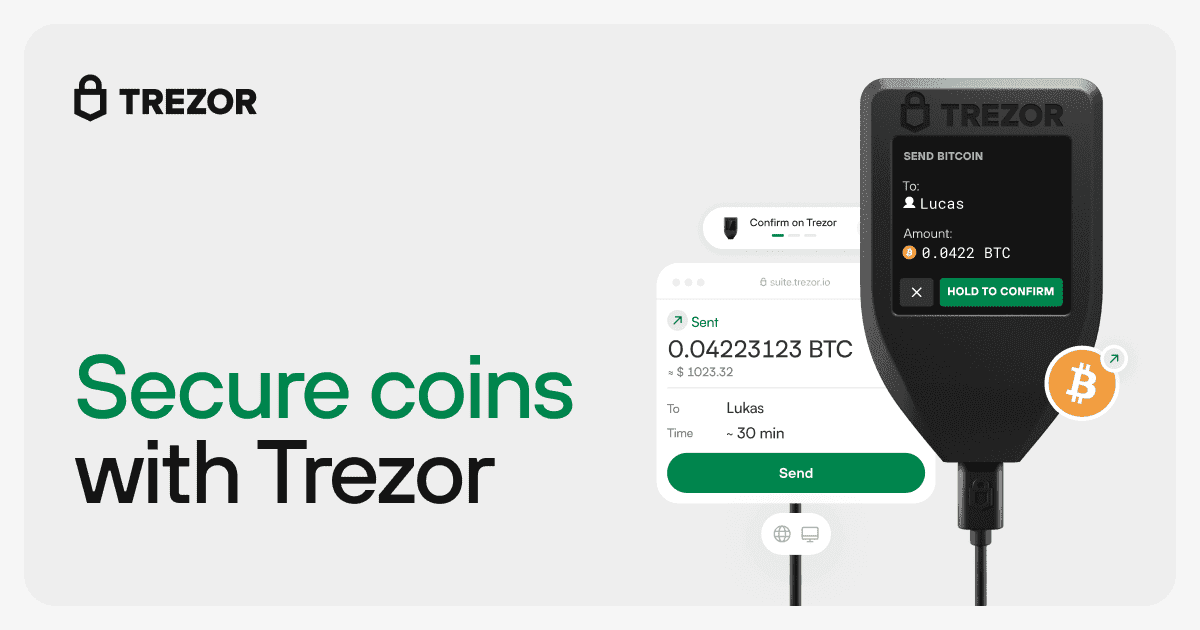
All transactions must be physically confirmed on the Trezor device, preventing unauthorized transfers.
Supported Cryptocurrencies
Trezor supports thousands of digital assets, including:
Bitcoin (BTC)
Ethereum (ETH)
Litecoin (LTC)
Ripple (XRP)
Cardano (ADA)
Polygon (MATIC)
ERC-20 tokens
Many others
Support varies slightly by model and firmware version.
Keeping Your Trezor Secure
Security best practices include:
Always verify addresses on device screen
Keep recovery seed offline
Use official software only
Enable passphrase for added protection
Keep firmware updated
Beware of phishing emails and fake websites
Trezor.io/start and Trezor Suite will never ask for your recovery seed online.
Updating Firmware Through Trezor.io/start
Firmware updates fix bugs and improve security. Trezor Suite notifies you when updates are available.
Steps:
Connect your device
Open Trezor Suite
Follow on-screen instructions
Confirm update on device
Never disconnect your device during updates.
What to Do If You Lose Your Trezor Device
If your device is lost or damaged:
Buy a new Trezor device
Visit Trezor.io/start
Choose “Recover wallet”
Enter your recovery seed
Your funds will be fully restored if the seed is correct.
Common Trezor.io/start Issues and Solutions
Device not detected
Try a different USB cable
Use another USB port
Restart computer
Firmware installation fails
Reconnect device
Use latest Trezor Suite version
Forgot PIN
Reset device
Restore wallet using recovery seed
Avoiding Phishing and Scams
Scammers often create fake websites that look like Trezor.
Always remember:
Only trust trezor.io
Never enter recovery seed on websites
Ignore emails claiming “urgent wallet issues”
Verify software signatures when possible
Security is strongest when users remain vigilant.
Who Should Use Trezor?
Trezor is ideal for:
Long-term crypto investors
Traders holding large balances
Privacy-focused users
Anyone wanting full control of crypto assets
Whether you are new or experienced, Trezor.io/start makes setup straightforward and secure.
Final Thoughts on Trezor.io/start
Trezor.io/start is the safest and most reliable way to begin your journey with a Trezor hardware wallet. It ensures proper setup, authentic software installation, and best-practice security from the start.